


Siding FAQs
Contact Us

Andy Nail
3 weeks ago
We had Summit out to assess damage to our roof after an insurance assessor had already come out and said it would not qualify for full replacement. Thomas and the team at Summit fought for us, came out multiple times to meet an assessor, and reached an agreement that would allow full roof replacement.
This was our first experience filing a home insurance claim and Summit coordinated everything efficiently and thoroughly. On top of that, the actual labor crew was incredible and the final product is beautiful. 10/10 Would recommend
This was our first experience filing a home insurance claim and Summit coordinated everything efficiently and thoroughly. On top of that, the actual labor crew was incredible and the final product is beautiful. 10/10 Would recommend

craig swanson
3 weeks ago
We worked with Jonathan as our main point of contact. We replaced our entire roof, which is a significant architectural component of our house. The team’s attention to detail and craftsmanship on custom components was important - and done exceedingly well. After the work ended, the site was cleaned and put back in original order. Jonathan kept us informed along the way and we had a great experience.

Scott Culler
3 weeks ago
Summit had replaced two roofs in our neighborhood last year and their project manager dropped off a business card and told me that if I had hail damage they would happy to help with the repairs. I filed an insurance claim and there was a small amount of damage. I called Summit and asked them to be our contractor. They explained that the original shingles were no longer available and that they would request that the insurance company cover the cost of replacing the entire roof. They explained what the process would look like and got the claim approved. We have solar panels and the insurance company covered the cost of uninstalling them and putting them back up. The roofing crew was awesome and got the roof done in one day! It looks fantastic. The solar crew was awesome also. I highly recommend Summit as the company to interface with your insurance company and for your roofing contractor and your needs. They took away the stress of dealing with insurance companies and getting our full roof covered.

Preston Koenig
3 weeks ago
Summitt Roofing did a great job with our hail damaged roof repair. They were an advocate for us with the insurance company and had a clear process throughout. They did a nice job communicating with us and took great care with our home. Christian was especially attentive and a pleasure to work with. He went above and beyond! Overall, no hesitation at all to recommend their services.

Fred Halvin
4 weeks ago
I had a full roof replacement due to hail damage. Christian and the Summit Team provided great service from start to finish. This included dealing with the insurance company to make sure I received the full benefits of my policy and a hassle free process with no surprises. The cleanup at the end of the project was outstanding. Based on my experience, I highly recommend Summit.
Fred H.
Lake Minnetonka
Fred H.
Lake Minnetonka

CC
2 months ago
We received outstanding service from Summit Construction Group, and in particular Thomas Keller, on our recent roofing project.
We interviewed ~10 different roofing companies before deciding to choose Summit, and Thomas is the main reason why. From start to finish, he demonstrated a level of professionalism, expertise, and dedication to the client that is rare to find. In particular, we were very impressed by Thomas' time and honesty in figuring out what would be best for us and our home as we were considering how the roofing project would interface with other home improvement projects that we are considering.
Thomas also deftly handled unique challenges associated with our project, including dealing with a rooftop A/C unit, which required the involvement of multiple additional parties (our HVAC company to remove/reset the unit and a carpenter to build a new platform for the unit). Since our roof replacement was an insurance claim, he also seamlessly handled all of the back-and-forth with our insurance company.
Thomas prioritized being around during the construction and also came by personally to follow up on several important but smaller items as the project wound down. He never made us feel like any detail was too small to be taken care of promptly and properly. It is clear that Thomas takes great pride in his work, wants the best for his clients, and represents Summit exceptionally well. He is by far the best, most thorough, and kindest contractor with whom we have worked (and we have worked with many, given that we moved into an older home and have had multiple large projects).
We are thrilled with the results of our new roof and will certainly be recommending Summit's services -- and Thomas in particular -- to our neighbors and friends because of this experience.
We interviewed ~10 different roofing companies before deciding to choose Summit, and Thomas is the main reason why. From start to finish, he demonstrated a level of professionalism, expertise, and dedication to the client that is rare to find. In particular, we were very impressed by Thomas' time and honesty in figuring out what would be best for us and our home as we were considering how the roofing project would interface with other home improvement projects that we are considering.
Thomas also deftly handled unique challenges associated with our project, including dealing with a rooftop A/C unit, which required the involvement of multiple additional parties (our HVAC company to remove/reset the unit and a carpenter to build a new platform for the unit). Since our roof replacement was an insurance claim, he also seamlessly handled all of the back-and-forth with our insurance company.
Thomas prioritized being around during the construction and also came by personally to follow up on several important but smaller items as the project wound down. He never made us feel like any detail was too small to be taken care of promptly and properly. It is clear that Thomas takes great pride in his work, wants the best for his clients, and represents Summit exceptionally well. He is by far the best, most thorough, and kindest contractor with whom we have worked (and we have worked with many, given that we moved into an older home and have had multiple large projects).
We are thrilled with the results of our new roof and will certainly be recommending Summit's services -- and Thomas in particular -- to our neighbors and friends because of this experience.

Michael Studer
3 months ago
Summit did an amazing job with our roof and siding. Our project manager Nick was awesome and helping get insurance to approve the claim. They denied the claim several times but ultimately got it approved. Nick made sure we were happy with the project and always went above and beyond. Thanks Summit team!

Patrick Watz
3 months ago
Summit Construction Group replaced my roof late last year and did a fantastic job. I am really happy with the workmanship and the final product.
They were communicative and kept me informed on progress. The entire job took one day to complete. They were in and out quickly and left the site fully cleaned up as if they were never there.
I would highly recommend Summit and the project coordinator Jonathon Soto for a reroofing job.
They were communicative and kept me informed on progress. The entire job took one day to complete. They were in and out quickly and left the site fully cleaned up as if they were never there.
I would highly recommend Summit and the project coordinator Jonathon Soto for a reroofing job.

Justin Utesch
6 months ago
I had my roof and siding repaired/replaced after a hail storm and the results were better than new. It was great working with Andy S! He did all the heavy lifting of communicating with the insurance company and kept me informed at every step along the way. Would recommend!

Megan Glidden
6 months ago
Summit Construction replaced my roof through an insurance claim, and the entire process was incredibly smooth. Honestly, I barely had to do anything.
Bernie was amazing and handled communication with the insurance company, explained everything clearly, and kept the project moving without any stress on my end. The crew was professional, efficient, and respectful of my property, and the finished roof looks great.
If you’re dealing with storm damage or an insurance claim and don’t want the headache that usually comes with it, Summit Construction is the way to go. Great experience from start to finish.
Bernie was amazing and handled communication with the insurance company, explained everything clearly, and kept the project moving without any stress on my end. The crew was professional, efficient, and respectful of my property, and the finished roof looks great.
If you’re dealing with storm damage or an insurance claim and don’t want the headache that usually comes with it, Summit Construction is the way to go. Great experience from start to finish.

Lori Bauernfeind
6 months ago
We had hail damage and struggled with our insurance company to get damage covered. Our contractor Nick gave us 110% of his time to work with our insurance company to get our damage covered. It took over a year but he never gave up. He always made himself available when ever we needed him or had questions. The work Summit did was amazing! They were meticulous with their work. I feel like I have a new home!
They are very upfront with their costs, so no surprises. I can't say enough about our great experience with Summit. I would highly recommend this company!
Lori B
They are very upfront with their costs, so no surprises. I can't say enough about our great experience with Summit. I would highly recommend this company!
Lori B

Sheena Crampton
6 months ago
I can’t say enough great things about this roofing company. From the very first interaction with Nathan to the final cleanup, the entire experience was professional, smooth, and stress-free. The team was punctual, knowledgeable, and Nathan took the time to clearly explain every step of the process so there were no surprises.
The quality of workmanship is outstanding—our roof looks incredible and was completed on time and within the quoted price. What really stood out was their attention to detail and respect for our property. They left the area spotless and treated our home as if it were their own.
If you’re looking for a roofing company that is honest, reliable, and truly takes pride in their work, this is the one. I would absolutely recommend them to anyone and would not hesitate to use them again in the future.
The quality of workmanship is outstanding—our roof looks incredible and was completed on time and within the quoted price. What really stood out was their attention to detail and respect for our property. They left the area spotless and treated our home as if it were their own.
If you’re looking for a roofing company that is honest, reliable, and truly takes pride in their work, this is the one. I would absolutely recommend them to anyone and would not hesitate to use them again in the future.

Aaron T
6 months ago
Our experience with Matt & Summit was great. Matt walked us through each step in the process and helped us navigate the insurance component. They handled all of the back and forth with the adjuster to resolve any differences that existed between their estimate and the adjuster's. The crew was quick and cleaned up well after the job. The finished product looks great, and we've contracted with Matt for Summit to do some additional work for us too.

Joanna Cahn
6 months ago
Summit was fantastic to work with! Our roof had old hail damage and Matt Nelson helped us open a claim with the insurance company in 2024. There was a lot of back and forth for months, where Matt took pictures, got shingle samples, and negotiated with our insurance, but eventually they denied the claim. I guess it was fortunate that we were hit with another big hail storm in September 2025 and Matt was ready to go to bat for us with insurance right away. After the claim was approved, it took mere days for Summit to coordinate a date for the roof replacement. The construction crew worked efficiently and cleaned up nicely. Highly recommend them.

MinhTri Lam
8 months ago

Korey Berg
8 months ago
When I was searching for roofers in Minnetonka after getting hail damage, Summit Construction Group came up and had stellar reviews. Joe was the salesman that came and assessed our damage, then worked directly on our claim with Travelers. He was very informative through the full process and there wasn’t much more that I had to do besides pick a new shingle color. The team showed up when they said they would, worked very quickly and came back the next day to clean everything up. Roof looks great, and they are still assisting with the insurance claim.
Was a seamless process and very professional. We will be using them for our siding replacement next.
Was a seamless process and very professional. We will be using them for our siding replacement next.

Barbara Billmeier
8 months ago
Jeff Rozman of Summit Construction Group was a tremendous help during a very stressful time. Our home was damaged during a violent hail storm. This was our very first home owners insurance claim. Jeff was knowledgeable, a great communicator and knew exactly what steps to take. Most of all, he listened to our concerns and acted appropriately. Summit's crew did an outstanding job replacing our roof and skylight. We are so pleased with the outcome.

Stephanie S
8 months ago
Summit Construction was amazing! They prioritized our roof repair knowing we were going into winter and concerned. Thankful for their communication, quality work and follow-through.

Carol Graham
8 months ago
I worked with Jeff Rozman at Summit Construction to assist me with roof replacement, following hail damage. Jeff was a wonderful project manager, walking me through insurance and actual roof replacement. The entire process was clear and efficient. I highly recommend Jeff and Summit Construction.

Matthew Putnam
9 months ago
The experience with Montana O as project leader and the Summit Construction Group could not have been better. They delivered an excellent end-result and kept our neighbors and neighborhood happy along the way. We could not recommend this team and the leadership more highly!
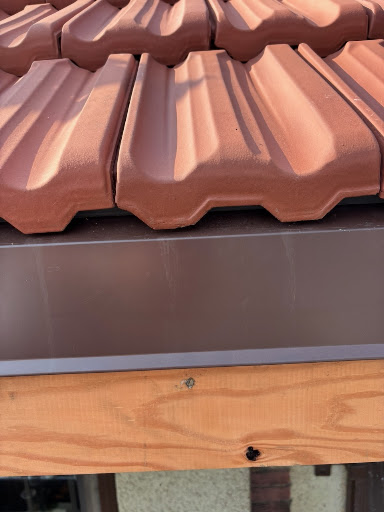
See attached photo for evidence of workmanship where the original wood edging and metal work required repair and then the new tile has been positioned for a perfect fit.
See attached photo for evidence of workmanship where the original wood edging and metal work required repair and then the new tile has been positioned for a perfect fit.

Jeff Turner
9 months ago
Unbelievable great service from the project manager, Christian Decker, very responsive and went above & beyond to make sure we were satisfied with every step of the process.
The roofing and gutter crews were prompt, professional and tidy. The work was completed flawlessly. I highly recommend Summit Construction and especially the project manager, Christian Decker.
The roofing and gutter crews were prompt, professional and tidy. The work was completed flawlessly. I highly recommend Summit Construction and especially the project manager, Christian Decker.

Autumn Tenvoorde
9 months ago
I couldn’t be happier with the service I received from Summit. From start to finish, the entire process was smooth, professional, and stress free. Durham was absolutely fantastic to work with. He was knowledgeable, communicative, and genuinely cared about making sure everything was done right.
The crew arrived on time, worked efficiently, and left everything spotless once the job was done. The quality of the roof is exceptional, and Durham took the time to walk me through the materials, process, and warranty so I felt completely confident in my decision.
It is rare to find a company that combines great workmanship with such outstanding customer service. This team truly does. I would 100 percent recommend them to anyone needing roofing work done. You will be in great hands with Durham and his crew.
The crew arrived on time, worked efficiently, and left everything spotless once the job was done. The quality of the roof is exceptional, and Durham took the time to walk me through the materials, process, and warranty so I felt completely confident in my decision.
It is rare to find a company that combines great workmanship with such outstanding customer service. This team truly does. I would 100 percent recommend them to anyone needing roofing work done. You will be in great hands with Durham and his crew.

Ricardo Lozano
10 months ago
We just got our roof replaced by Summit. They supported us during the whole process and did an excellent job on getting the claim approved and installing a new roof, while taking care of the plants and furniture the day of the job. Special thanks to Nathan and Nick!

Diane Gerardi
1 year ago
Our project manager Christian worked for 9 months w/ Statefarm to get our claim approved for a new roof. Christian’s communication was stellar throughout the process. We have a beautiful new roof and thank Christian for not giving up.

benbarnes6
1 year ago
We absolutely love our new roof from Summit. It was a great experience all around. Their team took care of everything and all we had to do was pick the color of our shingles. They were professional and courteous through the entire process. I would highly recommend Summit for your roofing needs.

tom major
1 year ago
Initial interaction with Christian regarding hail damage to our roof was cordial and low key. He determined that our roof was damaged to the extent it needed/justified replacement of the shingles. In spite of initial resistance from the insurance company, he provided the additional necessary information convincing them of the of the need for replacement. Minimal work on my part. From that point on the entire process went smoothly as the crew showed up on time, worked hard throughout the day, and finished their work by quitting time the same day! Everything cleaned up before they left and no damage to new flowers blooming beside the house. Used extensive tarps and 4x8 plywood sheets to protect siding and windows. Would highly recommend them to anyone considering/evaluating roofing work.

Amy King
1 year ago
We recently hired Summit to replace our roof after hail damage from last summer, and we couldn't be happier! The team was professional, knowledgeable, and responsive throughout the process. Christian handled everything and kept us well-informed along the way.
The installation was quick, and they left our property clean. Even coming back to ensure no nails/screws were left in the yard. The quality of workmanship is outstanding, and our new roof looks amazing!
I highly recommend Summit for any roofing needs. Thank you for a job well done!
The installation was quick, and they left our property clean. Even coming back to ensure no nails/screws were left in the yard. The quality of workmanship is outstanding, and our new roof looks amazing!
I highly recommend Summit for any roofing needs. Thank you for a job well done!


Jerrit Bromley
1 year ago
Summit Construction Group did a great job on the new roof for our commercial building. From the first walkthrough to the final cleanup, they were solid. Easy to work with, stayed on schedule, and kept everything clean and professional.
They installed a GAF 60 Mil TPO Rhinobond system and took care of everything — permits, tear off, cleanup, you name it. It was clear the crew took pride in their work.
It was one of those projects that went exactly how you hope it will. No surprises, no chasing people down, just quality work from a team that knows what they are doing.
If you are looking for a reliable roofing crew, I would definitely recommend Summit.
They installed a GAF 60 Mil TPO Rhinobond system and took care of everything — permits, tear off, cleanup, you name it. It was clear the crew took pride in their work.
It was one of those projects that went exactly how you hope it will. No surprises, no chasing people down, just quality work from a team that knows what they are doing.
If you are looking for a reliable roofing crew, I would definitely recommend Summit.


James Ewen
1 year ago
Absolutely five stars for Summit Construction! They replaced my entire roof in just one day—fast, efficient, and professional. Callen did an outstanding job coordinating everything and worked directly with my insurance to get the project fully covered. I couldn’t be happier with the results. Highly recommend!

Brendon Fatland
1 year ago
Aaron Anderson did a great job helping us navigate the whole process of hail damage on our roof and gutters. He also brought us some drinks too which is nice! Highly recommend using this company, they really did a great job.

Sarah Bauman
1 year ago
I am SO happy we went with Summit Construction, and specifically Brett Malinski, for our recent roof replacement (house and detached garage). Brett helped me maximize my insurance coverage from hail damage and kept the actual roof replacement so quick and low stress.
I hope we don’t have another project like this for a long time, but if we do, Brett will be my first call!
I hope we don’t have another project like this for a long time, but if we do, Brett will be my first call!